Antimicrobial Resistance: Why Protecting the Effectiveness of Medic...
November 18, 2026

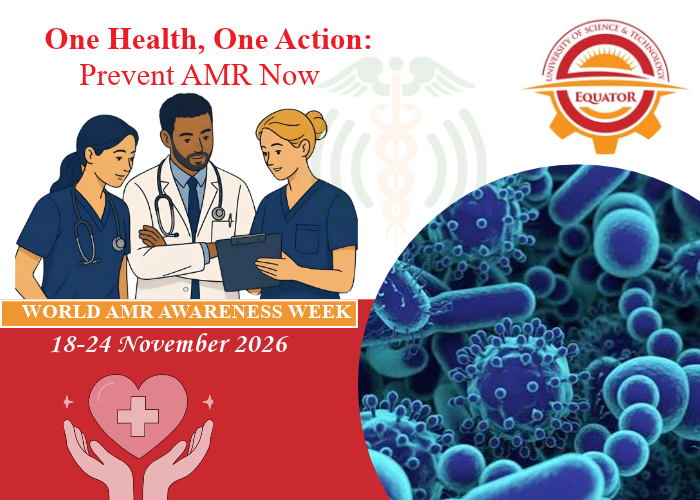
As the world marks World Antimicrobial Resistance Awareness Week 2026, attention turns to one of the most pressing challenges facing modern medicine: the growing ability of disease-causing microorganisms to withstand medicines designed to eliminate them.
Antimicrobial resistance (AMR) is increasingly threatening the effectiveness of treatments used to manage infections in humans, animals and plants. What was once considered a challenge largely confined to medical practice has evolved into a wider public health, environmental and development concern.
Observed annually from 18 to 24 November, World Antimicrobial Resistance Awareness Week provides an opportunity to strengthen public understanding, encourage responsible medicine use and promote collective action against drug-resistant infections.
The 2026 campaign theme, "One Health, One Action: Prevent AMR Now," highlights the interconnectedness of human, animal, plant and environmental health.
Antimicrobial resistance occurs when bacteria, viruses, fungi and parasites develop the ability to survive medicines that previously killed them or controlled their growth. Consequently, infections become more difficult to treat, treatment costs increase and patients may face longer recovery periods and greater risks of complications.
The inappropriate use of antibiotics, including taking them without proper medical guidance, failing to follow prescribed treatment instructions and using medicines when they are not necessary, contributes to the development and spread of resistance.
However, the problem extends beyond individual medicine use. Poor infection prevention practices, inadequate sanitation, unsafe disposal of pharmaceutical waste and the spread of resistant microorganisms through water, food and the environment also contribute to the challenge.
Uganda has recognised antimicrobial resistance as a national One Health priority. Through its Second National Action Plan on Antimicrobial Resistance (2024/25–2028/29), the country is strengthening public awareness, infection prevention and control, responsible antimicrobial use, surveillance, research and innovation.
The urgency of these interventions was further highlighted in October 2026 when Uganda's Ministry of Health launched a National Antimicrobial Resistance and Antimicrobial Stewardship Community of Practice. The initiative brings together health professionals to improve antibiotic prescribing, share knowledge and strengthen treatment decisions.
These developments demonstrate the importance of coordinated action across healthcare institutions, regulatory bodies, academic institutions and communities.
Universities have an important responsibility in preparing professionals who understand emerging health challenges and can contribute to practical solutions.
For institutions offering programmes in Medicine, Dentistry and Public Health, antimicrobial resistance presents an important area for learning, professional responsibility and public engagement.
At Equator University of Science and Technology (EQUSaT), the commitment to enhancing human potential through teaching, research, innovation and partnerships provides an important foundation for engaging with challenges that affect public health and sustainable development.
Future health professionals must understand that prescribing medicines requires more than identifying an infection. It involves appropriate diagnosis, responsible treatment decisions, patient education and an understanding of the consequences of inappropriate antimicrobial use.
In dentistry, for instance, responsible antibiotic prescribing is essential in managing infections while avoiding unnecessary exposure to antimicrobial medicines. Similarly, medical professionals play a critical role in infection prevention, diagnosis and antimicrobial stewardship, while public health practitioners contribute through community education, disease surveillance and preventive interventions.
Universities also have an opportunity to strengthen awareness of the environmental dimensions of antimicrobial resistance, including pharmaceutical pollution, wastewater management and responsible disposal of unused medicines.
The effectiveness of antimicrobial medicines cannot be taken for granted. Without responsible use and coordinated preventive action, infections that are currently treatable could become increasingly difficult and expensive to manage.
World Antimicrobial Resistance Awareness Week 2026 is therefore a reminder that protecting the effectiveness of life-saving medicines is a shared responsibility.
For higher education institutions, the challenge is also an opportunity to equip students with the knowledge, professional ethics and practical competencies needed to respond to emerging public health concerns.
At EQUSaT, engaging with such global health priorities reinforces the importance of education that prepares graduates to contribute meaningfully to healthier communities and a more sustainable future.
Antimicrobial resistance is not tomorrow's problem. The actions taken today will determine the effectiveness of tomorrow's treatments.
November 18, 2026

November 18, 2026
November 17, 2026