Advancing Gender Equality Through Education and Opportunity
October 02, 2026

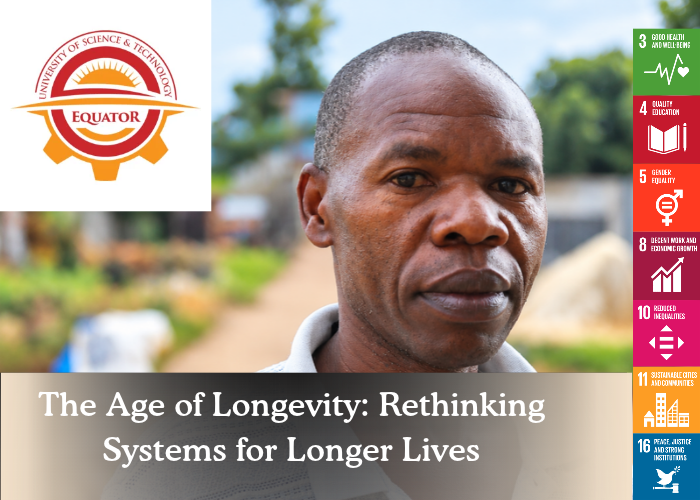
What happens when people live longer but the systems around them do not change with them?
This question is at the heart of the International Day of Older Persons 2026, observed on 1 October under the United Nations theme, “The Age of Longevity: Rethinking Systems for Longer Lives.”
Around the world, people are living longer than previous generations. The global population aged 60 and above reached about 1.22 billion in 2025 and is projected to reach 2.1 billion by 2050. This demographic shift is changing the way societies think about healthcare, social protection, employment, housing, education and community life.
But a longer life should not simply mean more years. It should mean more opportunities to live with health, dignity, independence and purpose.
For many older people, challenges such as limited access to healthcare, social isolation, financial insecurity, age-based discrimination and inaccessible environments can affect their quality of life. The gap between how long people live and how long they live in good health also highlights the need to strengthen support systems throughout the life course.
The World Health Organization's Decade of Healthy Ageing 2021–2030 calls for action to create age-friendly environments, combat ageism, strengthen integrated care and improve access to long-term care. These efforts recognise that healthy ageing is not the responsibility of healthcare providers alone. Families, communities, governments, educators, businesses and institutions all have a role to play.
Older people should also be recognised for what they contribute. They carry knowledge, experience, skills and traditions that strengthen families and communities. Many continue to work, mentor younger generations, care for others and participate in community life. Creating opportunities for meaningful participation allows societies to benefit from this experience while promoting intergenerational learning.
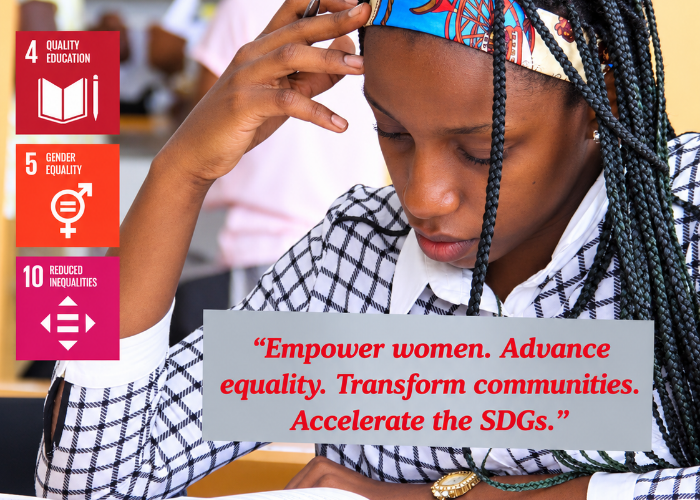
The conversation also connects directly to the Sustainable Development Goals (SDGs). SDG 3 (Good Health and Well-being) calls for healthy lives at every age, while SDG 4 (Quality Education) supports lifelong learning. SDG 5 (Gender Equality) and SDG 10 (Reduced Inequalities) highlight the need to address inequalities that can accumulate throughout life. SDG 8 (Decent Work and Economic Growth) relates to economic security and inclusive opportunities, while SDG 11 (Sustainable Cities and Communities) promotes environments that are accessible and inclusive. SDG 16 (Peace, Justice and Strong Institutions) reinforces the importance of dignity, rights and participation.
For universities and other institutions of learning, the changing age profile of the world's population presents an opportunity to contribute through education, research, innovation and community engagement. Understanding longevity means preparing professionals and communities to respond to the realities of a society where people are living longer.
Ultimately, the International Day of Older Persons is not only about old age. Ageing is a journey that concerns every generation.
The systems built today will shape the world in which today's young people eventually grow older. Rethinking those systems means creating a future where longer lives can also be healthier, more inclusive and more meaningful.
International Day of Older Persons 2026
Theme: “The Age of Longevity: Rethinking Systems for Longer Lives.”
SDGs: 3 | 4 | 5 | 8 | 10 | 11 | 16
October 02, 2026