Advancing Gender Equality Through Education and Opportunity
October 02, 2026

Equator University of Science and Technology (EQUSaT) has reinforced its commitment to academic excellence and innovation through a comprehensive Research Seminar and Workshop designed to strengthen the research, publication, and grant-writing capacities of academic staff, researchers, and administrators.
The workshop brought together participants from various disciplines for an engaging and practical learning experience focused on scientific publishing, research visibility, and securing competitive research funding. The initiative reflects the University's strategic vision of cultivating a vibrant research culture that contributes to national development and global scientific advancement.
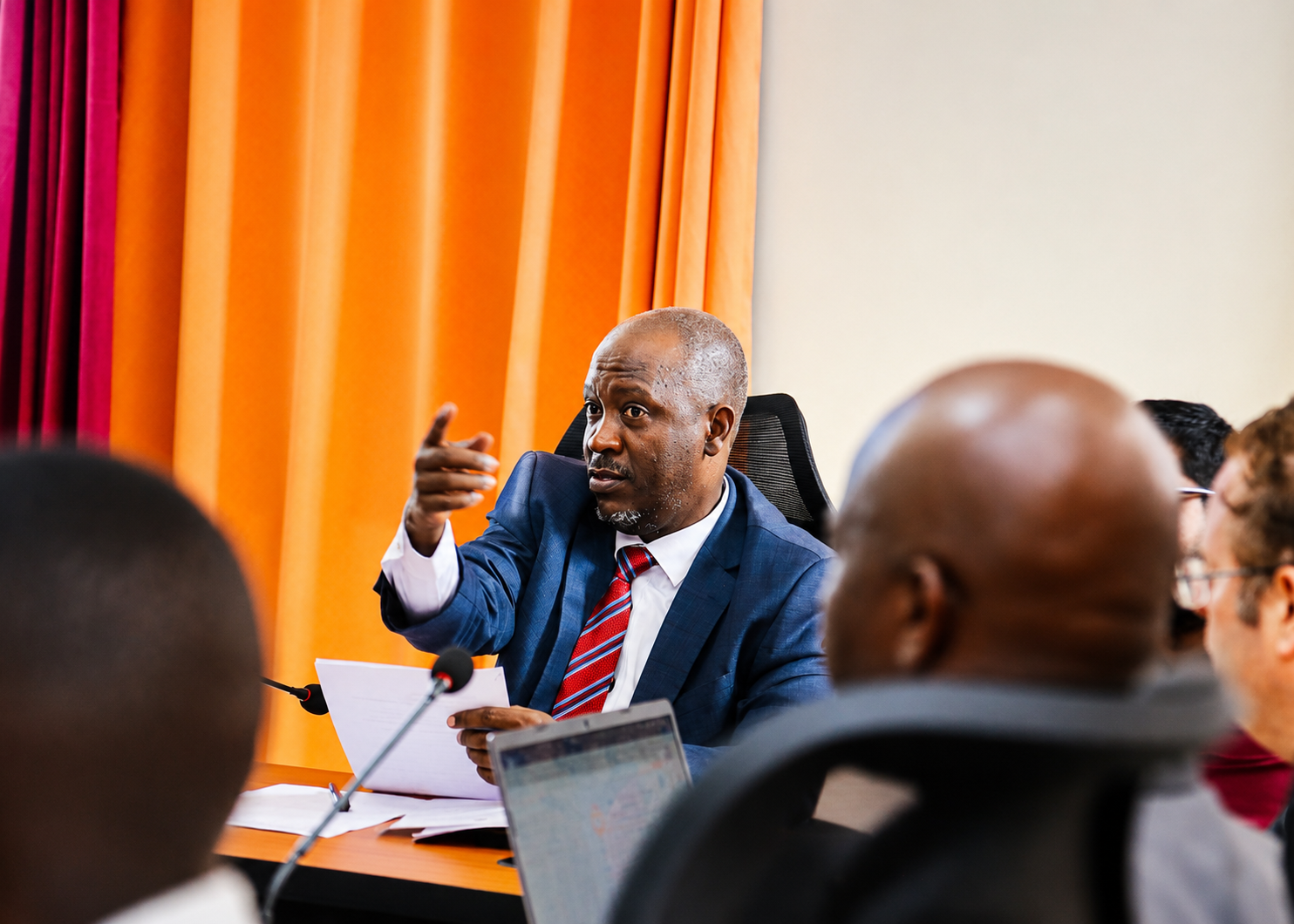
The seminar was officially opened and later closed by the Vice Chancellor, Prof. Mouhamad Mpezamihigo, who reaffirmed the University's dedication to promoting research excellence, innovation, and knowledge generation. He emphasized that impactful research remains central to academic growth and institutional development, encouraging participants to transform research findings into publications, funded projects, and evidence-based solutions that address societal challenges.
The workshop was chaired by Dr. Peter Akw Bala, who guided participants through the sessions and encouraged active engagement and collaboration throughout the programme.
The event featured expert presentations from distinguished facilitators, including Dr. Regan Mujinya Kakoomo, Dr. Elna Owembabazi, and Dr. Wisymer Richard, each bringing extensive experience in research, scientific communication, and academic development.
The first major session, facilitated by Dr. Regan Mujinya Kakoomo, focused on Writing and Publishing Winning Manuscripts in High-Impact Journals. Participants were introduced to best practices in scientific writing and publication, with particular emphasis on the internationally recognized IMRaD structure—Introduction, Methods, Results, and Discussion—which forms the foundation of most scientific manuscripts.
Dr. Mujinya highlighted common challenges that often prevent quality research from reaching publication, including weak research questions, poor manuscript organization, inappropriate journal selection, and inadequate responses to peer-review feedback. Participants gained practical insights into developing compelling research narratives, presenting findings effectively, and communicating the significance of their work to a global audience.
The session also explored scientific writing style and publication ethics, emphasizing clarity, objectivity, precision, and integrity in scholarly communication. Discussions covered plagiarism prevention, responsible authorship, ethical research practices, and the use of modern reference management tools. Participants were further introduced to effective techniques for presenting data through tables, figures, and visualizations.
Recognizing the growing concern of predatory publishing, Dr. Mujinya guided participants on how to identify reputable journals indexed in leading databases such as Scopus, Web of Science, and PubMed. Practical advice was provided on journal selection, understanding publication metrics, navigating editorial processes, and responding constructively to reviewers' comments.
The second major presentation, delivered by Dr. Elna Owembabazi, focused on Grant Seeking and Proposal Writing Excellence, an increasingly important area for researchers seeking to secure funding for innovative projects and institutional growth.
Dr. Owembabazi highlighted the competitive nature of today's research funding landscape and underscored the importance of aligning research ideas with donor priorities. Participants were introduced to a range of funding opportunities available through government agencies, research councils, private foundations, development partners, and international organizations.
The session provided practical guidance on identifying funding opportunities, interpreting grant requirements, assessing eligibility criteria, and positioning research projects for success. Particular attention was given to developing strong problem statements, clearly articulating research gaps, and demonstrating the significance and potential impact of proposed projects.
Participants also received training in budget preparation and justification, learning how to develop realistic budgets, distinguish between direct and indirect costs, and avoid common mistakes that can undermine otherwise strong proposals.
A key theme throughout the presentation was the importance of multidisciplinary collaboration. Researchers were encouraged to build partnerships within and beyond the University, leveraging diverse expertise to develop innovative and competitive grant applications. Such collaborations, participants learned, not only strengthen research outcomes but also enhance funding prospects and long-term sustainability.
The seminar provided a platform for meaningful discussion, practical exercises, and knowledge exchange among participants. The sessions reinforced the idea that successful research extends beyond conducting studies—it also requires effective communication, strategic partnerships, resource mobilization, and a commitment to addressing real-world challenges.
Participants expressed appreciation for the practical and insightful nature of the training, noting that it had strengthened their confidence in manuscript preparation, journal selection, grant proposal development, and collaborative research.
The successful workshop demonstrates Equator University of Science and Technology's continued investment in research capacity development and its commitment to creating an environment that nurtures innovation, scholarly excellence, and impactful knowledge generation.
As the University continues to expand its research portfolio and strengthen global collaborations, initiatives such as this seminar remain vital in empowering researchers to transform ideas into impactful publications, funded projects, and sustainable solutions that benefit communities locally, nationally, and internationally.
Through such efforts, EQUSaT continues to advance its mission of Enabling Human Capacity while positioning itself as a growing centre of excellence in research, education, innovation, and societal impact.
October 02, 2026